Manifesto
Something is broken at the root.
Beneath politics. Beneath economics. Beneath technology. We have lost the most basic element of human flourishing — the group. The tribe. The people you eat with, build with, raise children with, take grand adventures with, and grow old with.
For most of human history, that group existed. It was forged by proximity, by shared struggle, by ritual and necessity. You belonged to something bigger than yourself, and it was the foundation of all development.

Then modernity happened.
We traded villages for cities, cities for suburbs, and suburbs for apartments. We traded elders for algorithms, rites of passage for college diplomas, the shared hunt for delivery apps. We became the most connected and most lonely civilization in human history.
We have more choice about where we live and who we live with than ever before. Technology has given us tremendous agency and convenience. And yet, at the same time, the old containers that made life meaningful broke.
The old social structures of community, lodges, town halls, neighborhoods, local markets — real tribe — disappeared.
Nobody built new ones.

Retribalize exists to build them.
Not by going backward. Not by denying innovation nor by romanticising the past. But by taking what we know — about human belonging, about excellence, about what makes a group of people genuinely thrive — and building the institutions of the future. Intentionally. Together.
The nation-state is too large. The nuclear family is too small. Between them sits a void that used to be filled by tribe, guild, village, sisterhood and brotherhood. That void is now filled by anxiety, addiction, and online outrage.
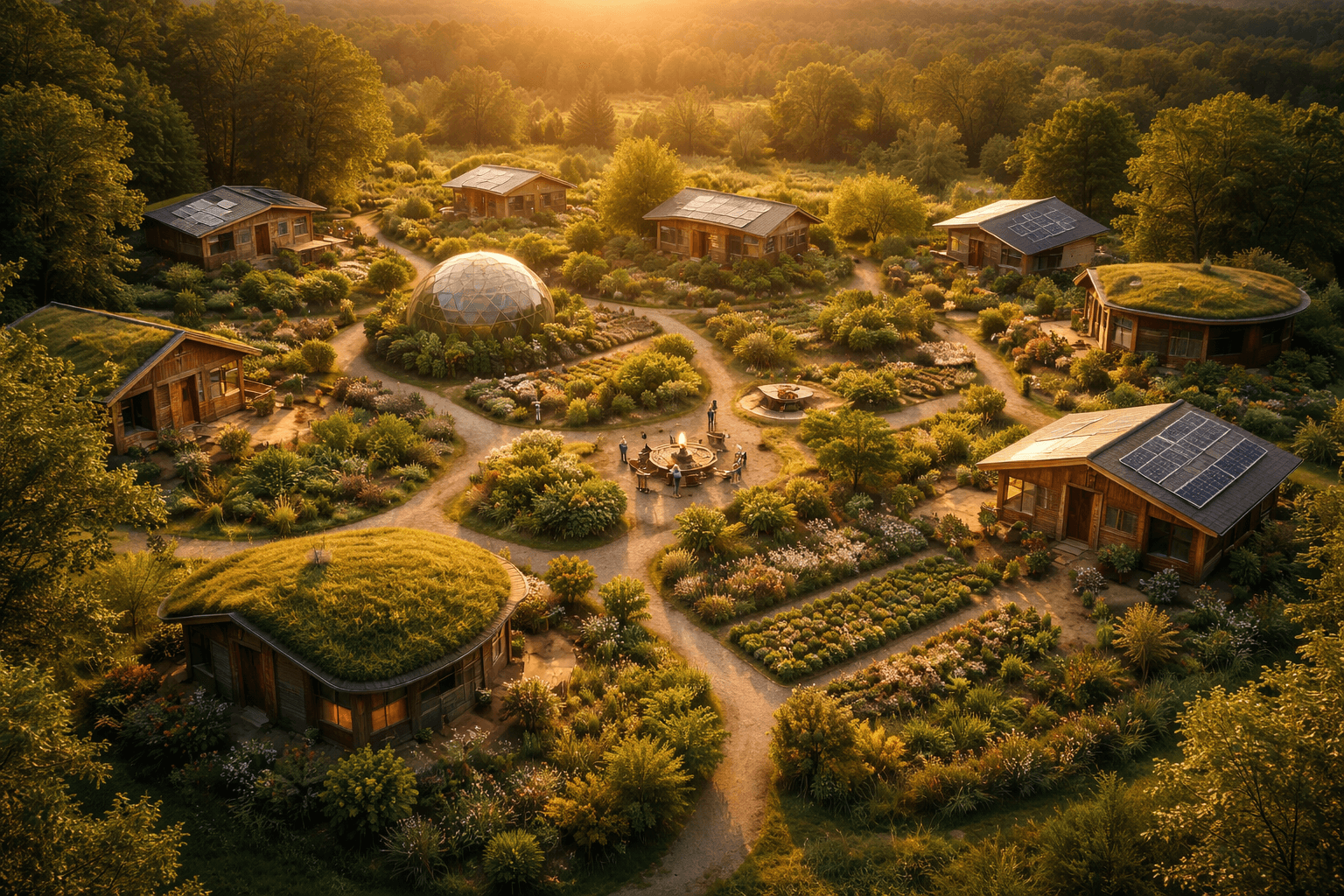
We're done waiting for someone else to fix it.
The question isn't whether new social structures will emerge to replace the broken ones. They will. The question is whether the people building them share your values — or someone else's.
This is the decentralized revolution. Not of technology. Of how humans live.